

A belt-driven spindle transmits motor power through a precision belt rather than a direct coupling, reducing vibration and handling higher radial loads — commonly used in heavier metal-cutting and turning operations.
- Vibration Isolation: The belt absorbs motor vibrations, ensuring smoother finishes on the machined workpiece.
- Torque Multiplication: Pulley ratios can be configured to increase torque for heavy milling of steel and cast iron.
- High Radial Load: Separating the motor protects it from the intense radial forces generated during aggressive cutting.
Showing 1 - 16 of 16 Products


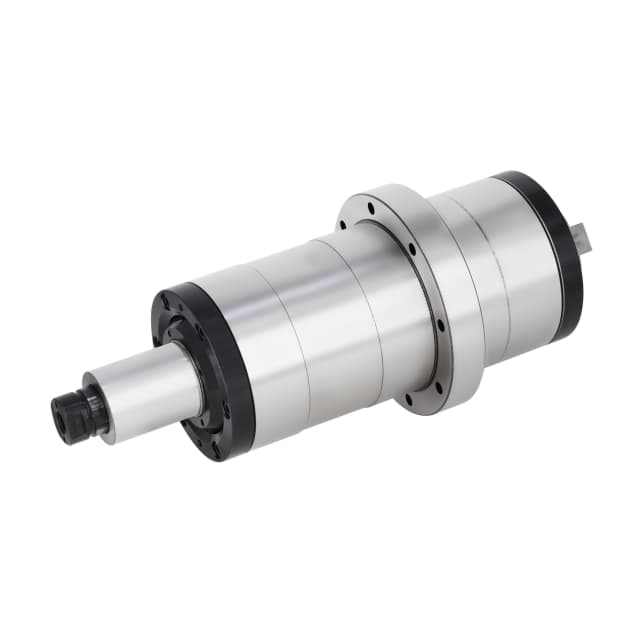
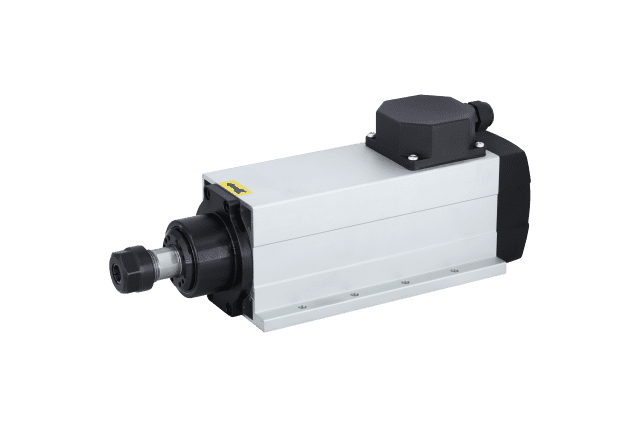
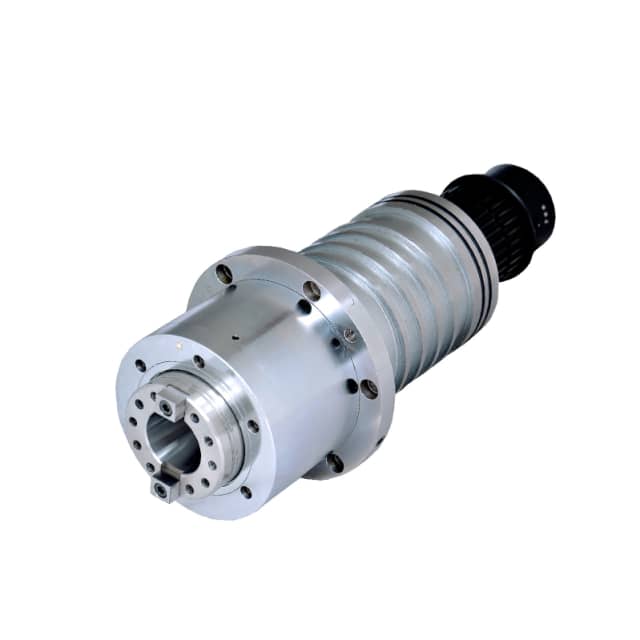

What Is A Belt Driven Spindle?
A belt-driven spindle transmits rotational power from a separate motor to the cutting tool via a mechanical belt rather than a direct-drive shaft, reducing vibration during heavy metal cutting and turning operations. TriQuench India manufactures precision-ground belt-driven spindles built for high radial load capacity under continuous industrial stress.
Technical Product Matrix: Belt Driven Spindle Configurations
| Parameter Model | Key Capacity | Vibration Tolerance | Standard Grade |
|---|---|---|---|
| TriQuench Elite Series | High Speed Output | < 2.0 microns | ISO 1940 G0.4 |
| TriQuench Standard Series | Consistent Continuous Duty | < 5.0 microns | ISO 1940 G2.5 |
Frequently Asked Questions — Belt Driven Spindle
What is the advantage of a belt-driven spindle over a direct-drive spindle?
A belt-driven spindle isolates the motor's own vibration from the cutting head, giving lower runout and better surface finish on heavy metal-removal jobs compared to some direct-drive designs.
What applications use belt-driven spindles?
Belt-driven spindles are commonly used in CNC lathes and milling machines handling heavy material removal, where low vibration and high radial load capacity are critical to machining accuracy.