
Showing 1 - 6 of 6 Products
What Is A CNC ATC Spindle?
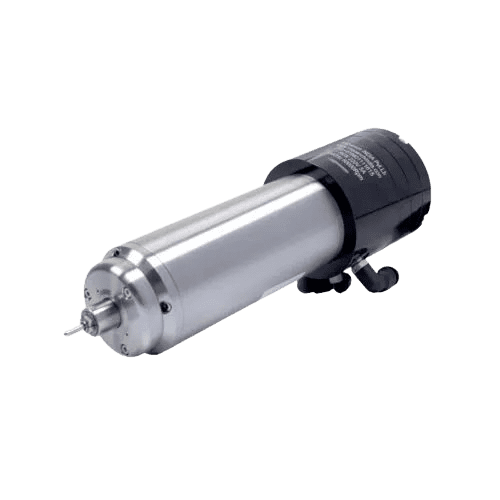
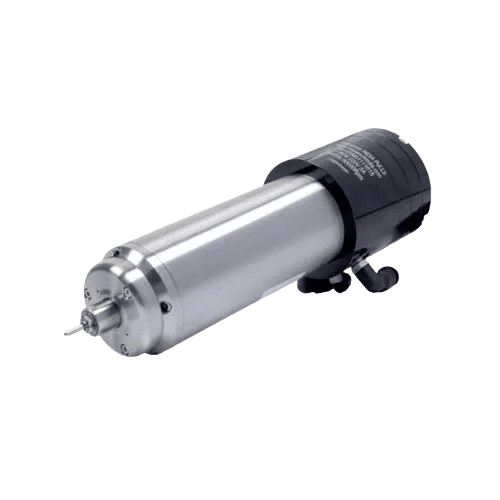
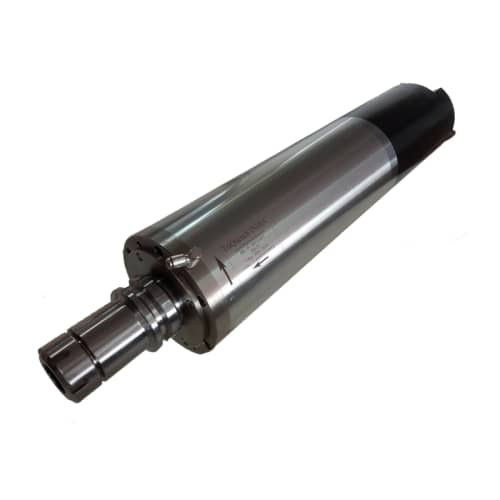
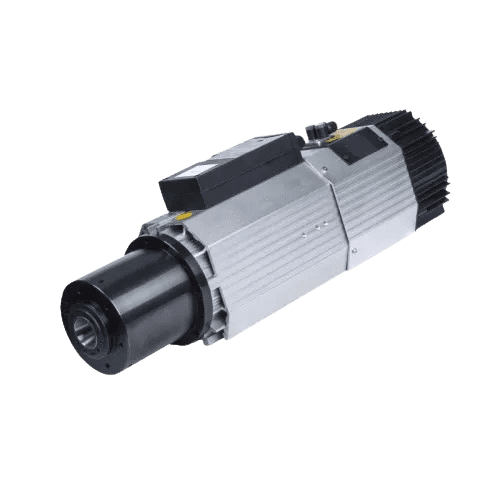
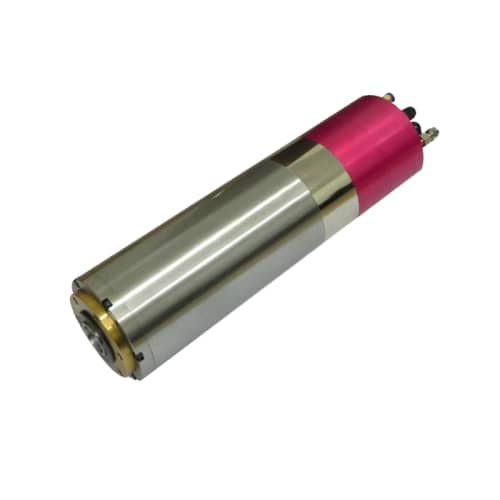
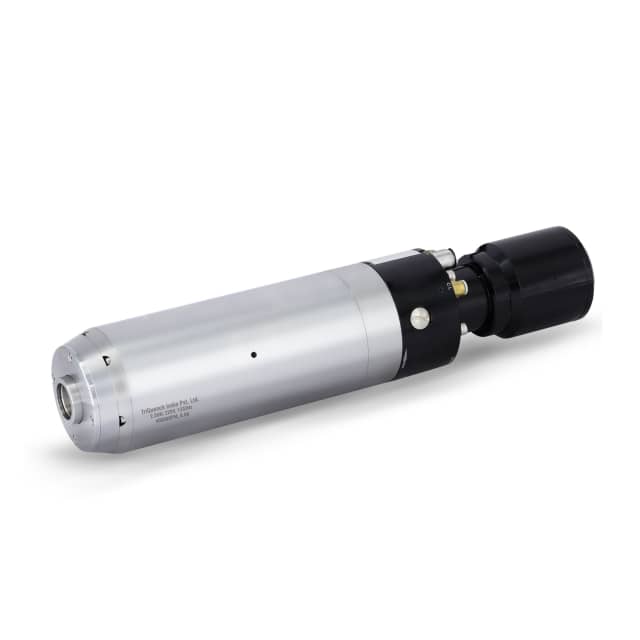
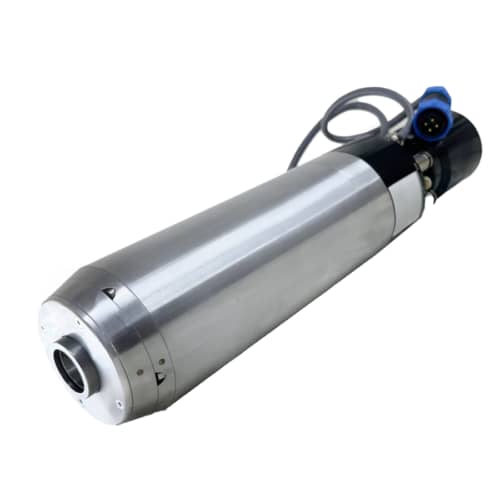
A CNC ATC (Automatic Tool Change) spindle automatically switches tool holders using a pneumatic drawbar, eliminating manual tool swaps during multi-pass CNC operations. TriQuench India manufactures ATC spindles from 3.2 kW to 12 kW in both air-cooled and liquid-cooled configurations for automated production lines.
Technical Product Matrix: CNC ATC Spindle Configurations
| Parameter Model | Key Capacity | Vibration Tolerance | Standard Grade |
|---|---|---|---|
| TriQuench Elite Series | High Speed Output | < 2.0 microns | ISO 1940 G0.4 |
| TriQuench Standard Series | Consistent Continuous Duty | < 5.0 microns | ISO 1940 G2.5 |
Frequently Asked Questions — CNC ATC Spindle
What is the difference between an ATC spindle and an MTC spindle?
An ATC spindle automatically changes tool holders using a pneumatic drawbar, making it suited to dynamic multi-tool jobs, while an MTC spindle requires manual tool changes with ER collet nuts, making it a more cost-effective choice for single-tool production runs.
What is the power range of an ATC spindle motor?
TriQuench India's ATC spindle motors range from 3.2 kW to 12 kW, with rotational speeds up to 60,000 RPM depending on the cooling configuration.
Is an ATC spindle worth it for small workshops?
ATC spindles add cost but pay off when a job requires frequent tool changes across a production run; for single-tool or low-volume work, an MTC spindle is usually more cost-effective.